We have become very good at performing things.
Happiness. Productivity. Fitness. Success. Even spirituality.
Not necessarily because we are fake, but because we now live in a world where almost everything can be seen. You don’t just go on a holiday anymore; you document it. You don’t just go to the gym; you post the workout. You don’t just read a book; you share the quote. You don’t just celebrate a festival; you put up the story.
Somewhere along the way, experiencing something and showing that you experienced it started becoming almost the same thing.
We are constantly being watched
Social media didn’t invent our desire to be seen. Humans have always cared about how others perceive them. The difference is that today, we have the tools to broadcast almost everything.
A good meal can become a photograph. A run can become a screenshot. A promotion can become a LinkedIn post. A relationship can become an anniversary carousel. A spiritual experience can become a reel.
And there is nothing inherently wrong with any of this. Sharing can be fun. It can preserve memories, help us find communities, and even inspire other people.
The problem begins when the performance starts replacing the experience.
You go somewhere beautiful, but part of your brain is already thinking about the photograph. You attend a concert, but spend the first song recording it. You sit down for dinner, but before taking the first bite, everyone is arranging the table for the picture.
We are physically present. But sometimes, mentally, we are somewhere else.
Even productivity has become something to perform
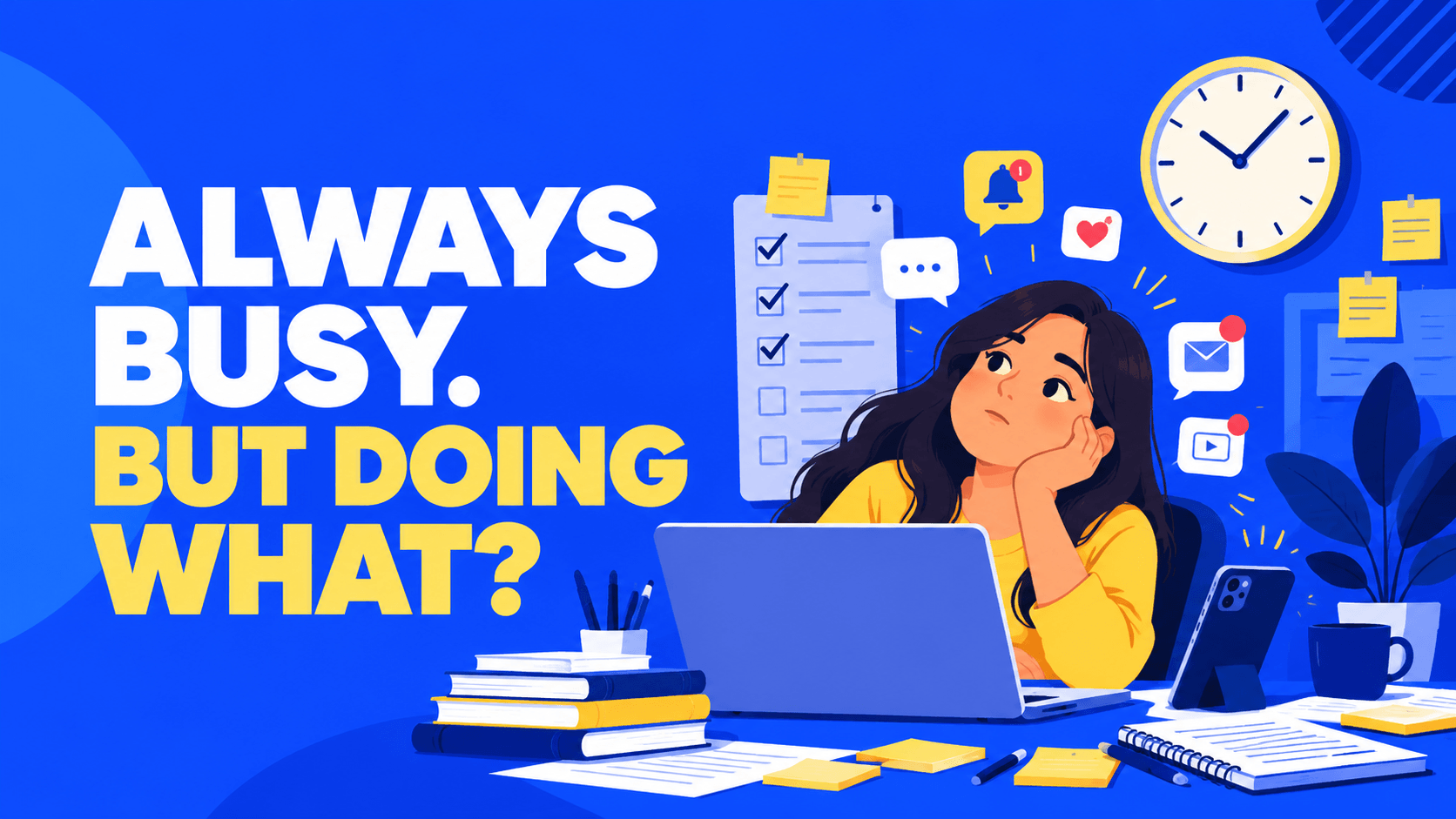
Look at the productivity culture around us. Morning routines, 5 AM wake-ups, cold showers, journaling, Notion dashboards, habit trackers, gym sessions and reading challenges.
There is nothing wrong with any of these things. The problem is that we’ve created an environment where doing something is no longer enough. You also need to demonstrate that you’re doing it.
And once you start displaying the process, the process itself can quietly change.
You’re not just exercising anymore. You’re exercising while thinking about the content you can make from exercising. You’re not just reading; you’re thinking about the photograph of the book beside your coffee. You’re not just working; you’re telling everyone how busy you are.
At some point, the question changes from:
“Is this making my life better?”
to:
“Does this look like a life that’s going well?”
That’s a very different question.
Even happiness has become visible
Perhaps this is where it gets stranger.
We’re surrounded by evidence of other people’s happiness: birthdays, vacations, new homes, new cars, restaurants, weddings, babies, promotions and celebrations.
Because we mostly see the highlights, we start comparing our ordinary Tuesday with somebody else’s carefully selected Saturday.
We don’t see the argument before the photograph. The anxiety behind the achievement. The debt behind the purchase. The loneliness behind the party. The difficult year behind the vacation.
We see the performance.
And then we wonder why our life doesn’t feel like that.
Festivals aren’t immune either
We’ve started performing celebration too.
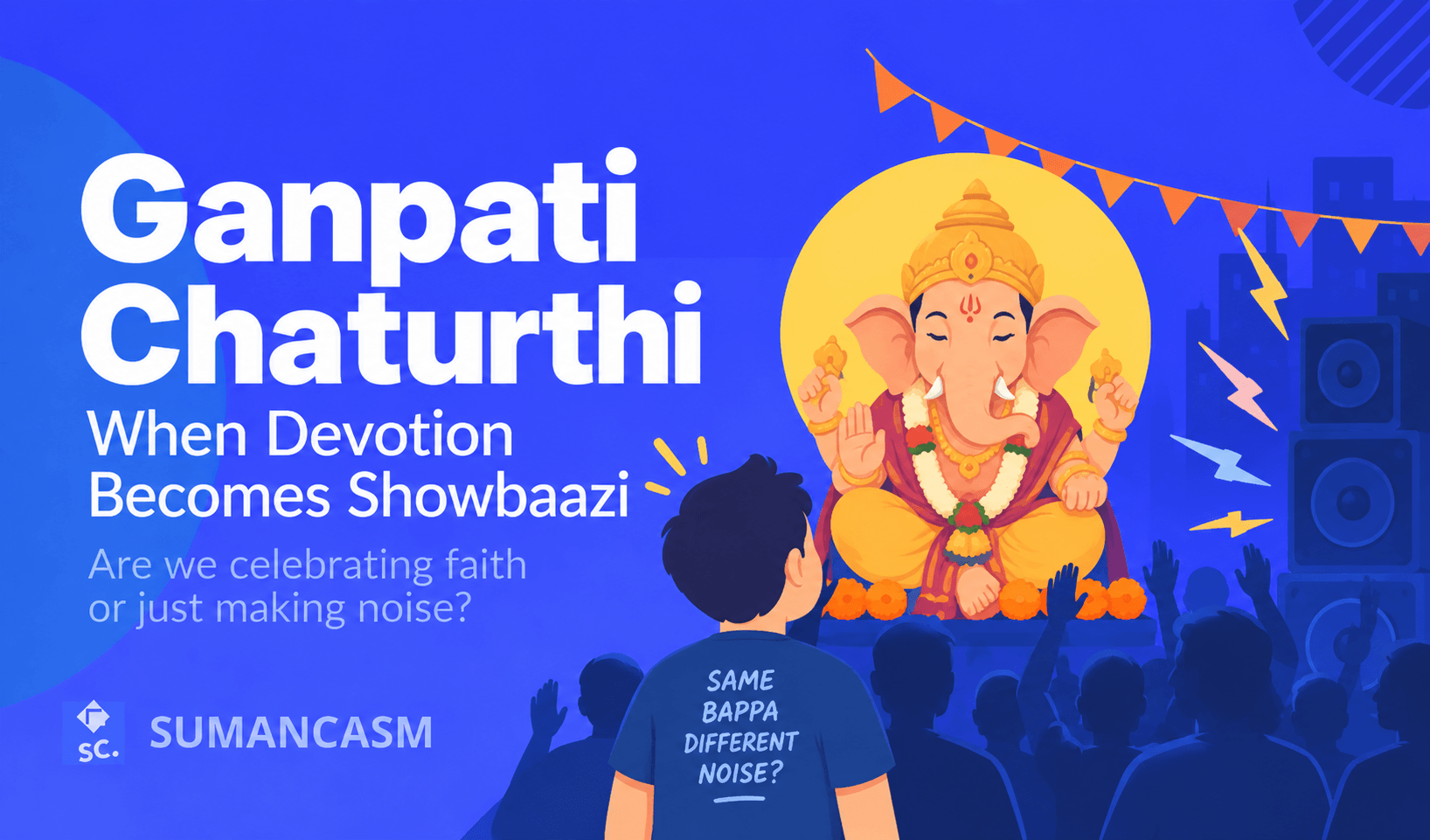
The bigger decoration. The louder music. The better outfit. The bigger gathering. The more elaborate photograph. The more impressive pandal.
Again, none of these things are inherently bad. Celebration is beautiful, and there’s nothing wrong with enjoying it fully.
But somewhere between celebrating something and demonstrating how spectacularly we are celebrating it, something can get lost.
Perhaps that’s why some of the most meaningful moments in life are still the ones nobody sees.
A conversation with your parents. A walk with someone you love. A quiet meal. Helping someone without telling anyone. Sitting alone and actually being okay with it. Going to the gym when nobody knows. Reading something that changes how you think without posting a quote about it.
These moments don’t necessarily perform well.
But they might matter more.
Maybe we don’t need to stop sharing
I don’t think the answer is to delete Instagram, stop taking photographs or disappear from the internet. That would be too simple.
Sharing is part of how we communicate now. It can inspire people, help us find communities, preserve memories and make ordinary things more meaningful.
The question isn’t, “Why are you posting this?”
A better question might be:
“Would you still do this if nobody could see it?”
Would you still go to the gym? Would you still take the trip? Would you still dress up? Would you still read? Would you still celebrate? Would you still work toward that goal?
Would you still be proud of yourself?
If the answer is yes, perhaps you’re experiencing your life.
If the answer is no, perhaps you’re performing it.
There is a life nobody gets to see
Maybe that’s the life we need to protect.
The part that doesn’t make it onto Instagram. The small victories, the boring routines, the ordinary meals, the quiet mornings and the bad days we don’t turn into content.
The goals we work toward without announcing them. The kindness nobody applauds. The version of ourselves that exists when there is no audience.
Because life doesn’t always need an audience.
Some things are valuable precisely because nobody is watching.
And perhaps in a world where everything can be displayed, one of the most radical things we can do is occasionally experience something fully—
without reaching for our phone to prove that it happened.